Explore practical perspectives on artificial intelligence, data sovereignty, innovation and Africa’s readiness for an AI-driven future. These conversations connect technological opportunity with questions of culture, governance, infrastructure, skills, business value and human responsibility.

Artificial Intelligence: Opportunity, Risk and Responsibility
Artificial intelligence is neither automatically beneficial nor inherently harmful. Its effects depend on the objectives, data, institutions and people surrounding its deployment. Used carefully, it can support research, productivity, health, education, financial inclusion, logistics, fraud prevention and better public services. Used without safeguards, it can amplify bias, produce confident inaccuracies, weaken privacy, displace tasks without adequate support and make accountability difficult to trace.
A responsible approach begins by defining the problem before selecting a tool. The next steps are to establish a baseline, identify affected groups, test accuracy and bias, protect sensitive information, keep human review in high-impact decisions and create a clear process for correcting errors. The central lesson is that innovation should be measured by improved outcomes, not by the presence of advanced technology.
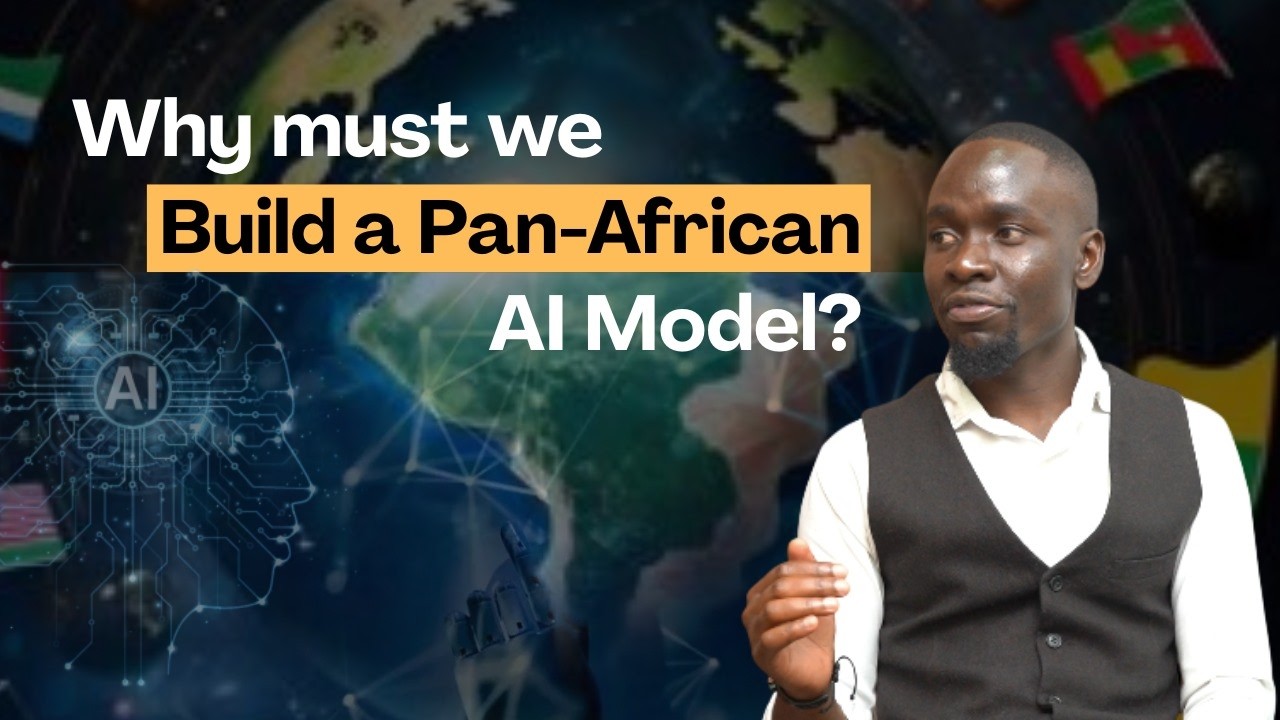
Data Sovereignty and the Case for African AI Capability
AI systems reflect the data, languages, assumptions and priorities built into them. When African realities are poorly represented, systems may misunderstand local expressions, overlook important historical and cultural context or produce recommendations that do not fit the communities they are meant to serve.
Data sovereignty is therefore more than a question of where servers are located. It includes the ability to determine how data is collected, governed, stored, shared, protected and transformed into economic and social value. A stronger African AI ecosystem requires local research institutions, responsible data partnerships, multilingual datasets, computing access, privacy safeguards, open technical collaboration and clear rules for community benefit and consent.
The practical pathway is step by step: map critical datasets, identify ownership and rights, improve data quality, support local researchers, develop representative models, test systems with affected communities and establish accountability when outputs are inaccurate or harmful. Local capability strengthens accuracy, resilience, dignity and long-term economic participation.
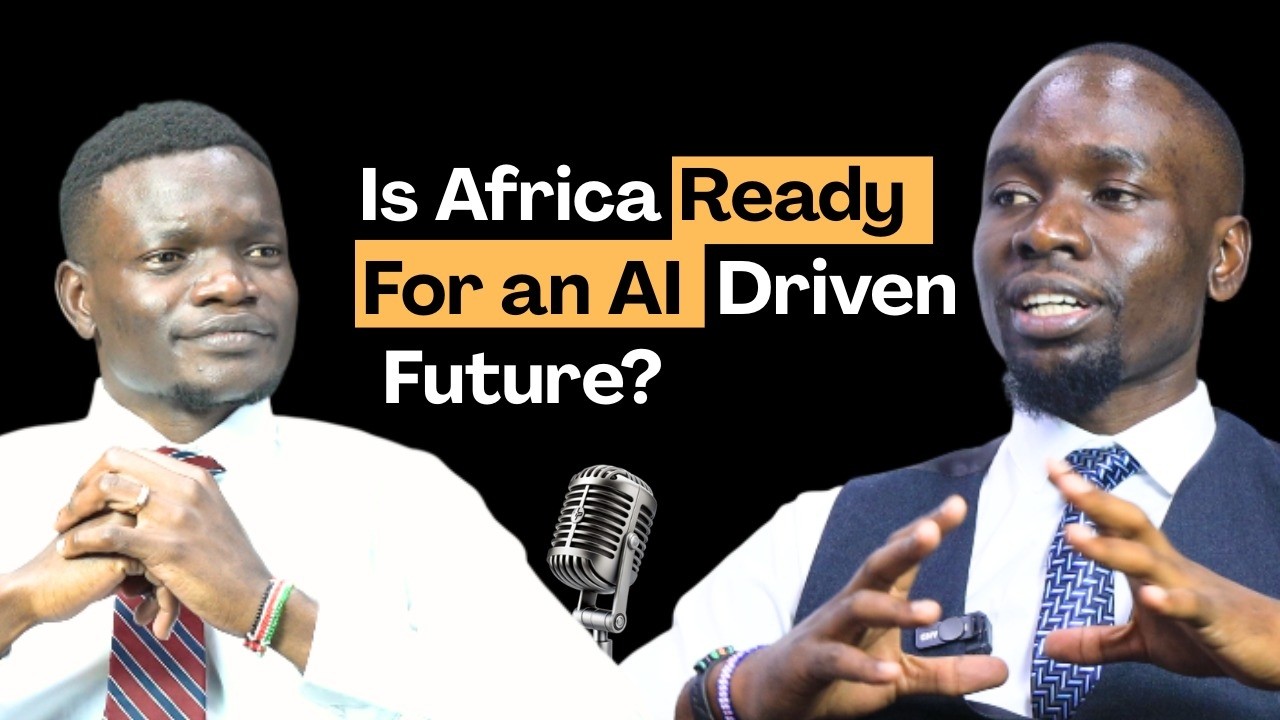
Africa’s Readiness for an AI-Driven Business Future
Business readiness for AI involves much more than purchasing software. Organisations need reliable connectivity, electricity, secure systems, quality data, skilled teams, leadership capacity, investment, research partnerships and policies that encourage experimentation while protecting people.
A practical readiness assessment should begin with the organisation’s most important decisions and workflows. Leaders can then identify where data improves judgement, where automation reduces repetitive work and where human expertise must remain central. A controlled pilot should define expected benefits, costs, risks, affected workers, quality thresholds and a review date before implementation begins.
Readiness also requires preparing for different levels of machine capability without treating speculation as certainty. Organisations should build adaptable skills, strengthen cybersecurity, create responsible-use policies, support workers through changing tasks and ensure that public policy develops alongside technological progress. The strongest strategy combines ambition with evidence, local context and measurable business or social value.